How To Troubleshoot Swim Spa Temperature Issues
A swim spa should provide a comfortable, consistent water temperature whenever you’re ready for a workout, recovery session, or relaxing soak. When the water feels colder or warmer than expected, it can interrupt your routine and leave you wondering whether something is wrong with your system.
Fortunately, many temperature-related concerns have straightforward explanations. Learning how to troubleshoot swim spa temperature issues can help you identify simple problems before they become costly repairs. Whether the issue involves the cover, filtration system, heater, or simply weather conditions, understanding the basics can help you keep your investment performing at its best.
If you own a swim spa pool, this guide will walk you through the most common causes of temperature fluctuations and explain when it’s time to contact a professional.
Start by Confirming the Temperature Reading
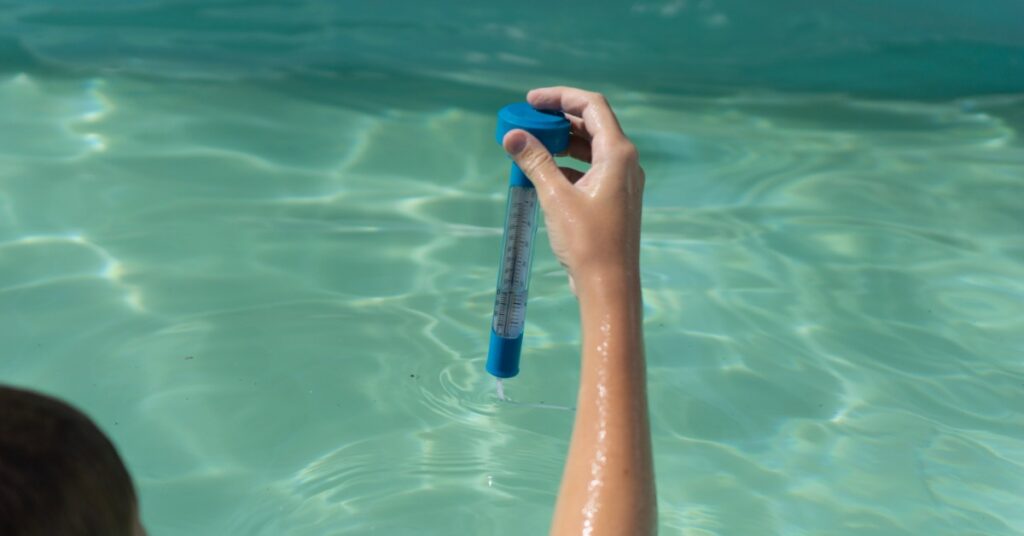
Before assuming there’s a mechanical problem, verify that your swim spa is actually operating at the temperature shown on the control panel. Digital displays are generally accurate, but sensor issues can occasionally create incorrect readings. If the water feels significantly different from the displayed temperature, use a pool thermometer to read the actual water temperature. If the two readings are close, your system is likely functioning normally. If they’re noticeably different, the temperature sensor may require inspection and/or replacement.
Inspect the Swim Spa Cover
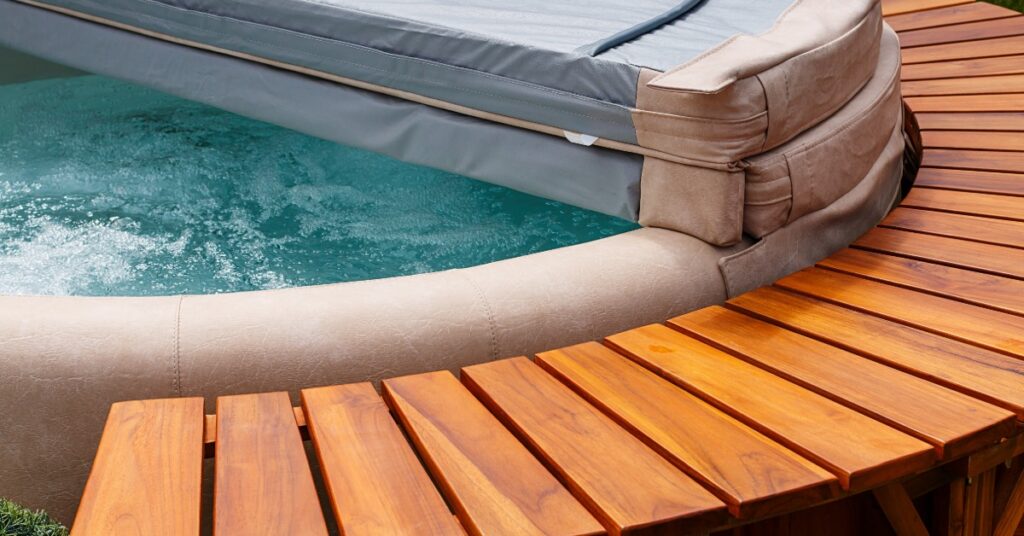
Your swim spa’s cover plays a much larger role in water temperature that you might realize. Even an efficient heater has to work harder if heat continuously escapes. A damaged cover allows warmth to dissipate, especially during colder months. Look for signs such as:
- Cracks or tears in the cover
- Waterlogged foam inserts
- Broken locking straps
- Gaps around the edges
- Warped sections that no longer seal properly
Replacing an aging cover often improves temperature consistency while reducing energy consumption.
Make Sure the Water Level Is Correct
Low water levels can interfere with normal circulation and heating. Most swim spas rely on proper water flow through the heater assembly. If the water drops below the recommended operating level, air may enter the plumbing, reducing heating efficiency or triggering safety shutoffs.
Check the water level every week, especially after heavy use or routine maintenance. Add fresh water as needed to keep levels within the manufacturer’s recommended range. Maintaining proper water levels also protects pumps, heaters, and filtration equipment from unnecessary wear.
Examine the Filtration System
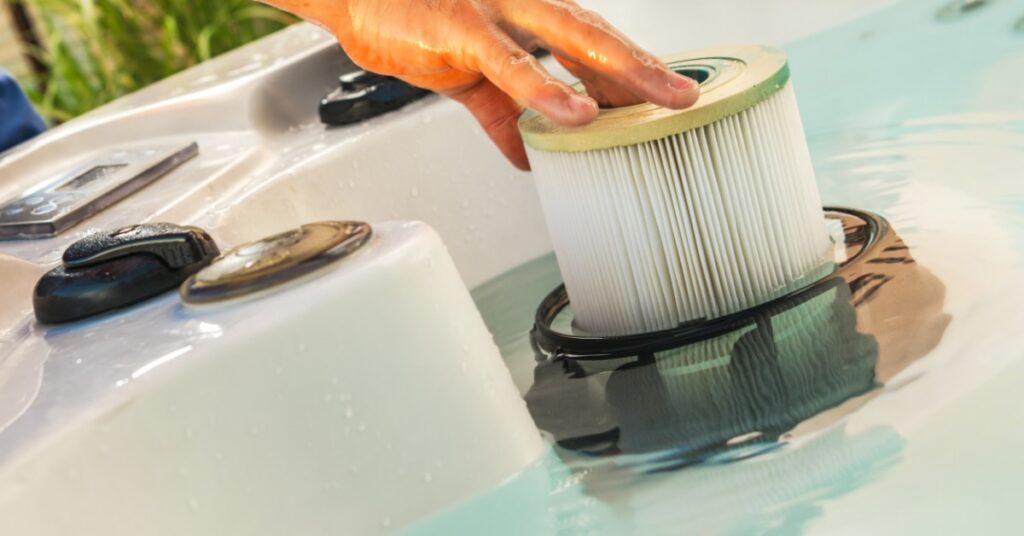
Good circulation is essential for consistent heating. When water cannot move freely through the heater, the system struggles to maintain the selected temperature. Dirty or clogged filters are among the most common reasons why heating performance declines over time.
Remove the filter and inspect it for:
- Dirt buildup
- Oils from lotions or sunscreen
- Leaves or debris
- Mineral deposits
- Excessive discoloration
Clean reusable filters according to the manufacturer’s recommendations, and replace them when they reach the end of their service lives.
Consider Outdoor Weather Conditions
Mother Nature has a significant effect on water temperature. Cold air, strong winds, and freezing temperatures force the heater to work much harder than mild weather does. To minimize heat loss during colder seasons:
- Keep the cover closed whenever you’re not using your swim spa.
- Limit unnecessary cover removal.
- Consider positioning windbreaks or privacy fencing if your installation is exposed.
- Avoid lowering the thermostat dramatically between uses.
Small adjustments such as these can make a noticeable difference in overall efficiency.
Verify That the Circulation Pump Is Running
Your swim spa’s heater depends on steady water movement. If the circulation pump isn’t operating correctly, heated water cannot move throughout the swim spa. In some cases, safety features will automatically prevent the heater from operating if there’s not adequate flow. Warning signs of circulation issues include:
- Weak water movement
- Unusual pump noises
- Error codes on the control panel
- Air bubbles that persist after startup
- Inconsistent jet performance
If you suspect a circulation problem, avoid forcing the heater to continue operating until you’ve diagnosed the issue.
Look for Error Messages
Modern swim spas include sophisticated diagnostic systems that help owners identify potential problems. If you’ve noticed temperature issues, check whether your control panel is displaying an error code. Common alerts may indicate, flow restrictions, overheating, sensor failures, heater problems, or pump malfunctions. Your owner’s manual will explain what each code means and whether it requires professional service. Recording the exact code before contacting a technician can also speed up the repair process.
Don’t Overlook Routine Maintenance
Many temperature issues develop gradually because regular maintenance has been delayed. Keeping your swim spa clean helps every component perform more efficiently. A well-maintained system experiences less strain on pumps, heaters, and plumbing, making consistent water temperatures easier to maintain throughout the year.
Routine maintenance should include:
- Testing and balancing the water chemistry
- Regularly cleaning the filters
- Inspecting the cover for wear
- Checking water levels weekly
- Scheduling professional service when recommended
Preventive care costs far less than repairing neglected equipment.
When the Heater May Need Professional Attention
If you’ve checked the basics and your swim spa is still struggling to reach or maintain the desired temperature, the heater itself may require service. Heating elements naturally wear down over time. Electrical components, sensors, relays, and control boards can also affect heating performance.
Signs that you may need professional service include:
- The water never reaches the selected temperature
- The water temperature frequently fluctuates
- The heater repeatedly shuts off
- The breakers trip during heating cycles
- You get persistent error messages even after basic troubleshooting
Attempting electrical repairs yourself can create safety hazards and may void manufacturer warranties. A qualified technician can accurately diagnose the issue while protecting your investment.
Enjoy More Reliable Performance Year-Round
Understanding how to troubleshoot swim spa temperature issues allows homeowners to address many common concerns before they become larger problems. Simple maintenance tasks, such as cleaning the filters, checking water levels, inspecting the cover, and reviewing system settings, can often restore consistent heating without major repairs.
If your swim spa continues experiencing temperature problems despite regular maintenance, the experienced team at Atlantic Spas and Billiards can help. Offering expert advice, professional service, and premium wellness products, we’re committed to helping homeowners enjoy dependable comfort and performance throughout every season.