All About Infrared vs. Traditional Home Saunas

Home wellness spaces have become increasingly popular for homeowners who want to create more relaxing and health-focused lifestyles. Saunas, in particular, are gaining attention for their ability to support stress relief, recovery, and overall comfort at home. If you’re considering adding a sauna to your space, one of the biggest decisions you’ll face is choosing between an infrared and traditional model.
Understanding the differences between these two options will help you select the right sauna for your comfort preferences, wellness goals, and home environment. In this guide, we’ll cover everything homeowners should know about infrared versus traditional saunas, including how they work, what benefits they offer, and which style may best fit their lifestyles.
The Basics of Home Saunas
Traditional saunas use heated rocks or electric heaters to warm the air inside the sauna room. This creates an environment with higher ambient temperatures. Depending on the setup, it can also include steam when water is poured over the heated stones.
Infrared saunas work differently. Instead of heating the surrounding air first, infrared panels emit radiant heat that warms the body directly. This creates a lower-temperature environment while producing a deep, relaxing heat experience.
Both options are designed to promote relaxation and wellness, but the experience inside each sauna can feel very different.
What To Expect From a Traditional Sauna
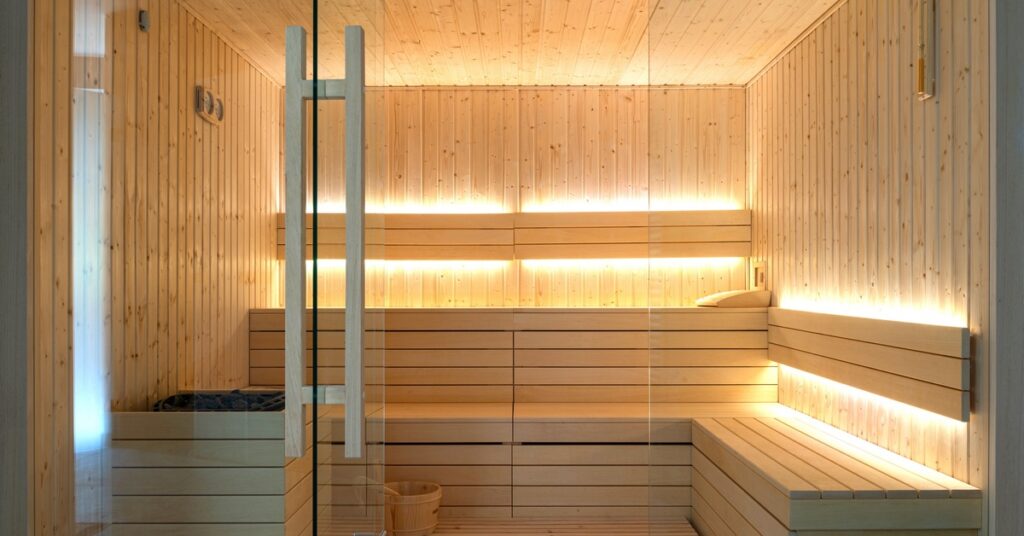
Traditional saunas are often associated with the classic spa experience. The air inside the room becomes hot and humid or dry, depending on how the sauna is operated. Many homeowners enjoy traditional saunas because they provide:
- Classic spa-like atmospheres
- Higher heat levels
- Steam functionality in some models
- More immersive heat environments
Traditional saunas typically operate at temperatures between 150 and 195 degrees Fahrenheit. Because the surrounding air becomes very hot, users often experience intense sweating within a short period of time. That full-body heat immersion is exactly what some people are looking for. Others may find the higher temperatures overwhelming, especially during longer sessions.
Traditional saunas also tend to require slightly more preparation before use. The sauna room needs time to fully heat up, and installation requirements may vary depending on the model and electrical setup.
What Makes Infrared Saunas Different?
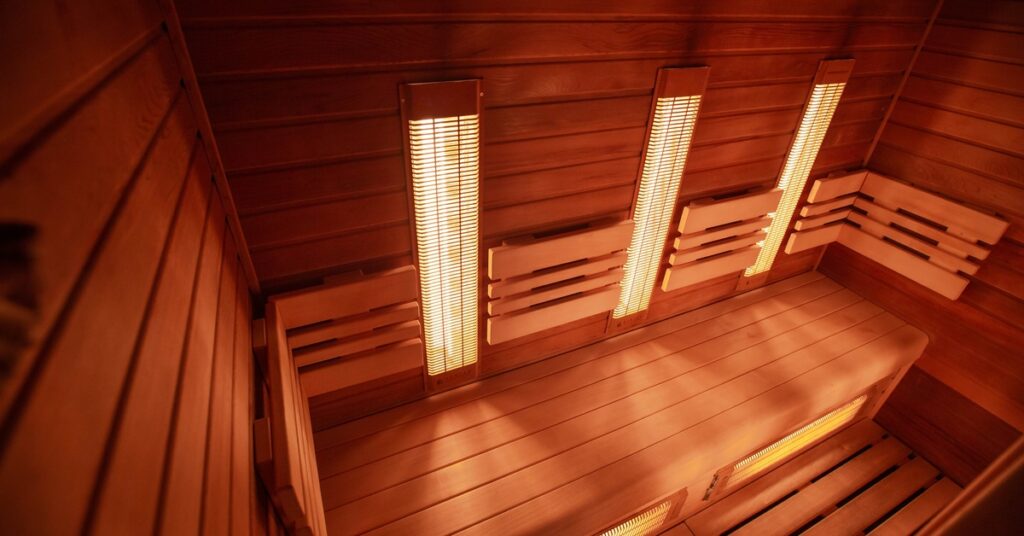
Infrared saunas have become increasingly popular among homeowners looking for gentler heat experiences. Rather than dramatically raising the temperature of the air, infrared technology uses radiant heat waves that penetrate the body directly. Therefore, infrared saunas usually operate at lower temperatures, often between 120 and 140 degrees Fahrenheit.
Many homeowners appreciate infrared saunas for several reasons:
- Lower operating temperatures
- Faster warm-up times
- Comfortable longer sessions
- Energy-efficient performance
- Compact installation options
Even though the air temperature is lower, users can still experience substantial sweating and relaxation. Many people describe infrared saunas as offering a more comfortable heat that’s easier to tolerate over time. Infrared saunas often fit well into modern lifestyles because they’re relatively simple to use and maintain.
Comparing the Sauna Experiences
Traditional saunas create environments that feel hotter and more intense. The heated air surrounds the entire body, creating the familiar spa atmosphere that many people associate with luxury wellness facilities.
Infrared saunas, on the other hand, feel gentler and more gradual. The warmth comes from the infrared panels rather than superheated air, which some users find more relaxing and accessible.
The right choice often depends on personal comfort preferences. Homeowners who enjoy very hot environments and steam may lean toward traditional saunas. Those who prefer moderate temperatures and longer sessions may gravitate toward infrared models instead.
Installation and Space Considerations
Another important factor to consider when you’re choosing between the two sauna types is installation. Traditional saunas may require:
- More ventilation planning
- Additional electrical considerations
- Larger installation footprints
- Longer heating cycles
Infrared saunas are often easier to install in existing homes because many models are designed for straightforward residential use. Some units can fit into spare rooms, home gyms, or wellness spaces without major renovations. This flexibility makes infrared models especially appealing for homeowners who want to create wellness-focused spaces without undertaking large remodeling projects.
If you’re considering a sauna in Wilmington, NC, it’s important to evaluate your available space, electrical setup, and long-term wellness goals before you select a model.
Energy Efficiency and Maintenance
Energy usage is another area in which infrared and traditional saunas differ. Traditional saunas typically use more electricity because they must heat the entire room to a high temperature. Infrared saunas generally consume less energy, since they directly heat the body rather than the air.
Maintenance requirements are relatively manageable for both options, though traditional saunas may require additional cleaning due to steam and moisture exposure. Infrared saunas usually have fewer moisture-related concerns, making upkeep somewhat simpler for many homeowners.
Which Sauna Is Right for You?
There is no one-size-fits-all answer when you’re comparing infrared versus traditional home saunas. The best choice depends on your personal preferences, your wellness priorities, and how you plan to use the space.
A traditional sauna may be ideal if you:
- Enjoy intense heat
- Prefer steam functionality
- Want a classic spa atmosphere
- Like shorter, high-temperature sessions
An infrared sauna may be a better fit if you:
- Prefer lower temperatures
- Want faster heat-up times
- Enjoy longer sessions
- Need flexible installation options
The key is finding the experience that feels most comfortable and enjoyable for your lifestyle.
Explore Home Sauna Options With Confidence
Choosing between infrared and traditional sauna models doesn’t have to feel overwhelming. By understanding how each sauna works and what type of experience it provides, homeowners can make more informed decisions that support their long-term comfort and wellness.
Whether you’re designing a dedicated wellness retreat, upgrading a home gym, or simply looking for new ways to relax at home, learning all about infrared versus traditional home saunas can help you choose a solution that fits your needs. Visiting a showroom and speaking with knowledgeable professionals can also simplify the process. Seeing the different models in person allows homeowners to compare features, sizes, and overall comfort levels before making their decisions. Atlantic Spas and Billiards helps homeowners explore the different sauna styles and determine which option works best for their homes and lifestyles.